

Sustainable Packaging

Table of Contents
Did you know that in 2021, a total of 84.3 million tonnes of packaging waste were generated in the European Union? This was reported by the European Parliament in a recent analysis. This figure highlights how urgently we need to transition to sustainable packaging solutions for the sake of the environment and future generations.
Why should we focus on sustainable packaging?
At megapac handling, we understand that every client has unique requirements. That is why we develop tailor-made packaging solutions that meet the needs of both your products and your sustainability goals.
What is sustainable packaging?
Packaging is considered sustainable when it uses as few resources as possible, can be used for a long time, and can be disposed of or recycled in an environmentally friendly way at the end of its life cycle. Accordingly, sustainable packaging solutions are characterized by the following features:

- Resource conservation: The packaging is made from materials that require little energy and few raw materials during production.
- Recyclability: After use, it can be easily recycled, helping to close the material loop.
- Compostability: Alternatively, it can be biologically degraded without harming the environment.
- Durability: Reusable packaging reduces waste and extends its useful life.
Improve your environmental footprint & demonstrate responsibility
Packaging has a significant impact on resource consumption and environmental impact. With sustainable packaging solutions, companies can not only improve their environmental footprint but also send a clear message of responsibility – an advantage that resonates positively with customers.

Sustainability at megapac: solutions that deliver
At megapac, sustainability does not simply mean producing packaging but designing and handling it intelligently. Our strength lies in developing and implementing packaging solutions that meet the needs of both our customers and the environment.
Molded pulp and cardboard packaging: practical solutions for the future
One example of sustainable packaging solutions is molded pulp components made from recycled paper fibers. They are not only robust and adaptable but also fully recyclable or compostable. Molded pulp is particularly well suited for safely packaging sensitive products, such as glass bottles, pre-packaged foods, or electronic components.
Cardboard packaging is also at the heart of our work. It is lightweight, recyclable, and highly versatile. Combined with well-designed processing, it helps reduce waste while lowering logistics costs.
A sustainable highlight: the VEGAN BOX ECO advent calendar
A special project that brings together our principles of sustainable packaging is the Vegan Box ECO advent calendar. This product, made entirely from environmentally friendly materials and supporting the brand’s sustainability message, was processed by us and carefully prepared for shipping.
- Packaging made from recyclable cardboard: The calendar is delivered in a sturdy, plastic-free box that is not only visually appealing but can also be reused or recycled.
- Thoughtful handling: We ensure that the individual compartments are filled and packaged securely, without unnecessary use of materials.
Projects like these show how sustainable packaging concepts can be implemented in practice, always with a focus on functionality and environmental compatibility.
Plastic vs. paper/cardboard: which packaging is more sustainable?
The question of whether plastic or paper is the better choice for packaging is not as easy to answer as it may seem at first. Both materials have advantages and disadvantages, and their sustainability largely depends on the intended use and proper disposal.
The advantages of plastic packaging
Plastic is lightweight, durable, and highly versatile. Especially when it comes to protecting sensitive products, plastic offers clear advantages:
- Low weight: Reduces transport costs and CO₂ emissions in logistics.
- Durable and resilient: Effectively protects products from moisture and damage.
- Recycling potential: High-quality plastics can be recycled multiple times, provided they are disposed of correctly.
However, plastic also has its drawbacks. Single-use products in particular contribute significantly to environmental pollution if they are not recycled or disposed of properly.
The advantages of paper and cardboard packaging
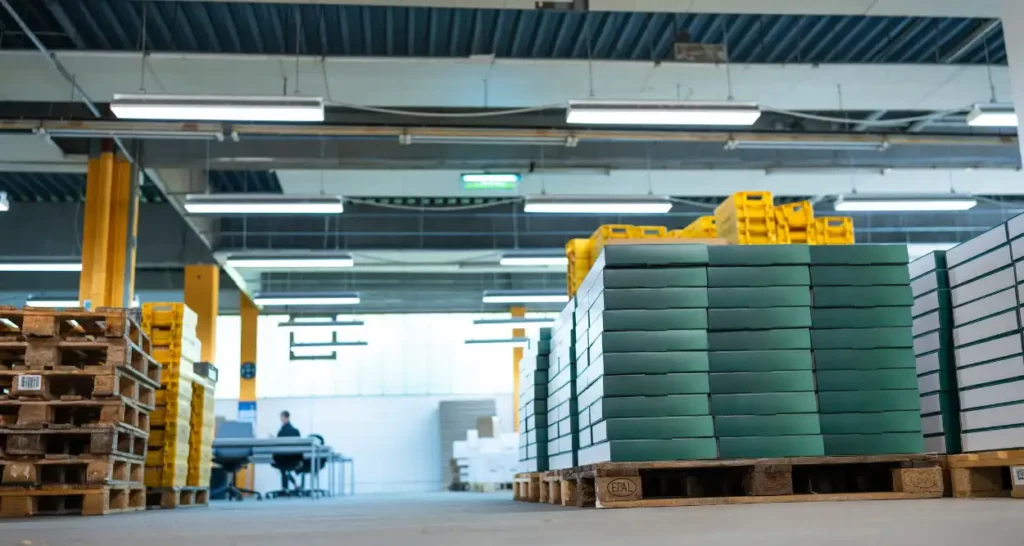
Paper and cardboard are often perceived as the more environmentally friendly alternative because they are made from renewable resources. They are a popular choice, especially for shipping packaging or simple protective packaging:
- Recyclability: Paper and cardboard are easily recyclable in most countries.
- Biodegradability: They break down relatively quickly in nature if they are disposed of incorrectly.
- Renewable resources: Packaging made from wood fibers places less strain on natural resources than plastic.
However, paper and cardboard also have their drawbacks. Their production is often energy- and water-intensive, and heavy cartons increase transport weight, which can lead to higher CO₂ emissions.
Conclusion: the right packaging for the right purpose
Whether plastic or paper is more sustainable largely depends on the intended use. While plastic performs well in durable, reusable packaging, paper is ideal for short-term applications and recyclable solutions. What matters most is that both materials are used responsibly and disposed of properly. With well-designed concepts, companies can ensure that packaging fulfills its purpose while minimizing environmental impact.

Sustainable packaging – key points at a glance
Sustainable packaging solutions are an important step toward conserving resources and reducing environmental impact. At megapac, we develop well-designed concepts that combine functionality with environmental responsibility—such as molded fiber components or projects like the VEGAN BOX ECO advent calendar. Together with our clients, we focus on solutions that combine responsibility and efficiency. Because sustainability is a process that we actively help shape.